

 DavidWolfe.com
Demulcent herbs have an amazing ability to calm irritation and protect your body. Have you ever had a nagging, dry cough that just won’t go away? Or maybe you know someone dealing with long-term digestion problems. These daily disturbances can leave you feeling drained, frustrated, or even embarrassed. This is where Slippery Elm comes in.
As a demulcent, Slippery Elm offers the same slippery, gel-like mucilage as Aloe Vera and Marshmallow Root. It’s fascinating that Nature shares this same calming compound in multiple ways: succulent plant, plant root, and now tree bark.

What Is Slippery Elm?
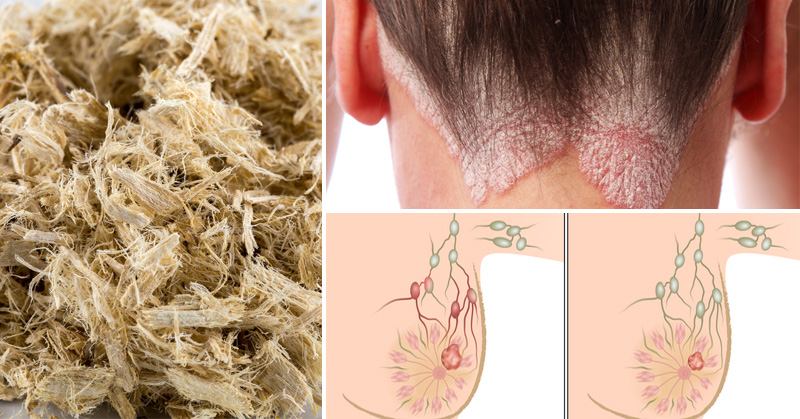
Slippery Elm, also called red elm, is a deciduous tree native to North America. The inner bark holds the key to its health benefits. This substance, rich in mucilage, becomes slippery when mixed with water.
Historically, it was used not only for digestive complaints but also for wounds, burns, coughs, and sore throats. Native American tribes chewed on the bark and twigs when thirsty, but they also brewed the inner bark as a tea for sore throats and digestive issues. When crushed with a bit of spring water, Slippery Elm bark makes an excellent poultice to treat wounds, burns, and skin infections. By the 19th century, it appeared in the U.S. Pharmacopoeia as a recognized remedy for coughs, ulcers, and inflamed tissues.
So you may wonder, is Slippery Elm still beneficial today?
5 Health Benefits of Slippery Elm

1. Supports Digestive Comfort
Slippery elm (Ulmus rubra) works wonders for digestion, soothing irritated tissue in the digestive tract. The inner bark is rich in mucilage, a group of polysaccharides that absorb water and form a viscous, gel-like substance. When taken internally, this gel coats the lining of the stomach and intestines, helping to reduce irritation and protect inflamed tissue. This action explains its long-standing traditional use for digestive discomfort associated with gastritis, diarrhea, constipation, and general intestinal irritation.
Herbal references describe slippery elm as a classic demulcent used to relieve irritation of the gastrointestinal tract through a physical, protective mechanism rather than a drug-like effect. A pilot study incorporated slippery elm powder in patients with irritable bowel syndrome and showed significant improvement in symptoms for both constipation and diarrhea. For treatment of inflammatory bowel diseases such as Crohn’s disease or ulcerative colitis, slippery elm remains widely used as a supportive herb to help calm irritated tissues and improve digestive comfort.
2. Soothes Coughs, Sore Throats, and Upper Respiratory Irritation
One of the most established uses of slippery elm is for soothing sore throats and dry, irritated coughs. When prepared as a tea or lozenge, the mucilage coats the mucous membranes of the throat, reducing mechanical irritation and calming the cough reflex. This demulcent effect is particularly helpful in cases of dry cough, vocal strain, or throat irritation caused by postnasal drip or acid reflux.
Though modern discussions of slippery elm state that human trials don’t support this use, we need to keep in mind that Native Americans chewed on the twigs and bark consistently, continually supporting their bodies with this demulcent. Colonial Americans discovered its benefits, and Civil Warm medics even used it to treat gunshot wounds. Just because no one is looking doesn’t mean these benefits do not exist.
In fact, this use is consistently documented in traditional herbal medicine: slippery elm soothes an irritated throat and respiratory system through mucosal coating rather than antimicrobial action (like a jab).
3. May Support Skin Health via the Gut–Skin Connection
Interest in slippery elm for skin conditions such as psoriasis comes largely from its role in digestive support rather than from direct topical or dermatologic effects. A six-month dietary intervention involving five patients with psoriasis reported significant improvements in skin severity scores when a comprehensive nutrition protocol was followed, which included slippery elm bark water as one component. The protocol emphasized diet, fiber intake, and gut health, as well.
These findings suggest that slippery elm may play a supportive role within broader gut-focused nutritional strategies, reflecting the well-recognized gut–skin connection.
4. Provides Gentle Fiber Support but Is Not a Weight-Loss Herb
Slippery elm contains mucilage, a form of soluble fiber that contributes to feelings of fullness and support regular digestion. In some dietary programs and cleansing protocols, Slippery Elm joins other botanicals to support weight loss and improve cholesterol levels. Its strong antioxidant and nutrient profile help the body cope with lower calorie meals while also helping the body’s elimination process.
There is currently little evidence that slippery elm alone promotes weight loss or directly alters lipid metabolism, though it plays a supportive role, helping maintain digestive comfort and regularity, which complement broader nutritional goals.
5. Indirectly Supports Calm Through Digestive Soothing
Slippery Elm is sometimes described as calming or nourishing, not because it acts directly on the nervous system, but because of its gentle effects on digestion and mucosal comfort. The inner bark contains phenolic compounds and antioxidants, which help protect tissues from oxidative stress.
Its calming influence likely arises from reduced digestive irritation and improved gut comfort. In fact, the close relationship between gut health and the nervous system explains this. Specifically, herbs that soothe gastrointestinal distress may contribute to an overall sense of well-being, particularly during illness or recovery. This aligns with traditional herbal practice while remaining consistent with current scientific understanding.

How to Use Slippery Elm
Slippery Elm is available in several forms:
- Teas or extracts for digestive upset, acid reflux, or cough
- Lozenges for sore throats
- Capsules or tablets for IBS or diarrhea support
- Topical creams and shampoos for skin irritation or scalp conditions
Safety and Quality Tips
Slippery elm is generally safe, but watch for rare allergic reactions. Also consider these important guidelines:
- Medication timing: Because mucilage can coat the gut, it may interfere with drug absorption. Take slippery elm at least 1–2 hours apart from prescriptions.
- Pregnancy: Native Americans often offered Slippery Elm tea during late stages of pregnancy to help with deliver, but limited information is available about its modern use during pregnancy.
- Sustainability: Overharvesting threatens elm populations. Choose sustainably sourced products whenever possible.

Final Thoughts
As one of Nature’s most soothing remedies, slippery elm bark offers many benefits. From calming a sore throat to easing gut inflammation and supporting skin health, it offers gentle but reliable relief — so much so that it’s one of the ingredients in Essiac Tea.
Respectfully harvested and wisely used, this tree’s inner bark remains a timeless ally for digestion, immune support, and whole-body wellness.
These statements have not been evaluated by the Food and Drug Administration. This information is not intended to diagnose, treat, cure, or prevent any disease.