Hashimoto's disease is an autoimmune disorder that causes the immune system to attack the body's healthy tissue, causing symptom such as fatigue, weight gain an...
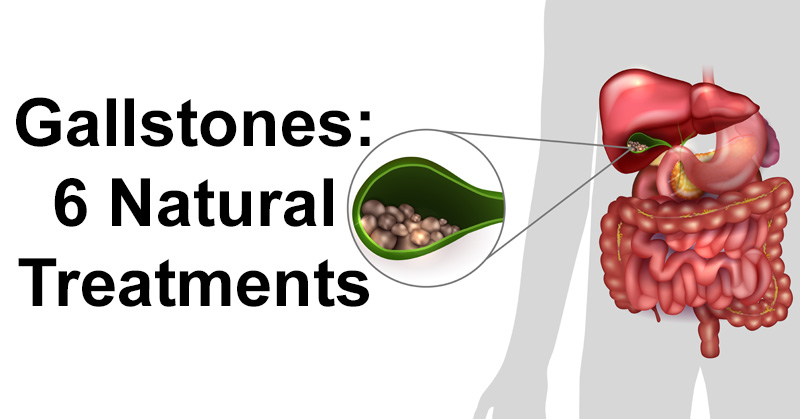
Gallstones are small stones made up of cholesterol particles, calcium deposits and other substances found in bile that form in the gallbladder. They form when p...
The gallbladder is a small organ responsible for storing bile that's made in the liver. It works as part of the digestive system to communicate back and forth t...
G6PD stands for glucose-6-phosphate dehydrogenase. A G6PD deficiency is a genetic disorder that affects a red blood cell enzyme, which can contribute to anemia....
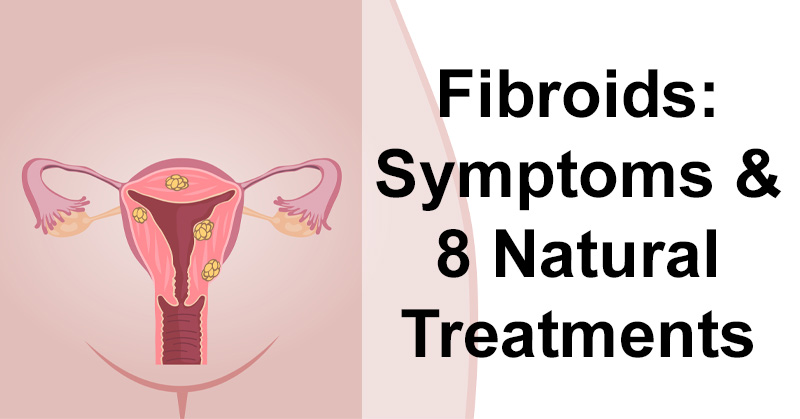
Fibroids, which are the most frequently seen tumors of the female reproductive system, come in a variety of types. Intramural and cervical, for example, are com...
Epilepsy is a neurological disorder in which brain activity becomes abnormal. Anyone can develop this condition. Epilepsy causes seizures or periods of unusual ...
An enlarged spleen is a sign that the immune system is fighting to remove threats from the body, but failing to do so. There are numerous causes for an enlarged...
Ear infections occur when bacteria affects the outer, middle or inner part of the ear and causes inflammation. While children are more likely than adults to get...
Endometriosis is a condition that occurs when the lining of the uterus grows outside of the uterus. It affects more than 11% of American women between the ages ...
Dyspepsia is a term that describes pain or discomfort in the abdomen. However, some dyspepsia symptoms manifest as pain in the chest area. Commonly referred to ...
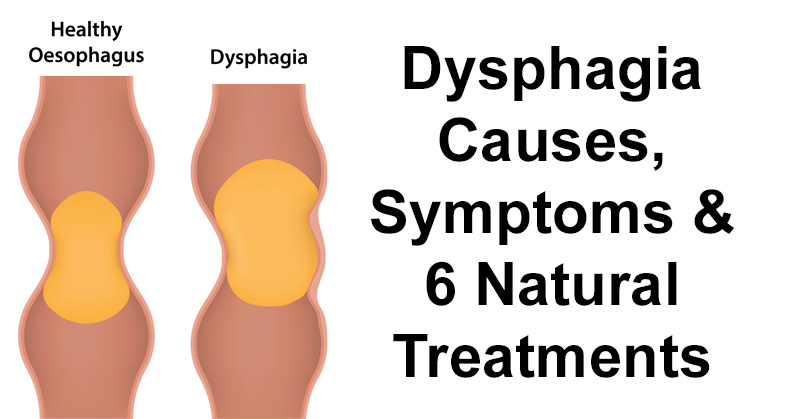
Dysphagia is a condition wherein a person experiences difficulty in swallowing. In some cases, dysphagia causes pain. And dysphagia leads to, at times, a comple...
Dumping syndrome is a condition that occurs when food moves too fast from the stomach to the small intestines. The rapid release of sugar raises the body's bloo...